NightLase® Laser Snoring & Sleep Apnoea Treatment in Perth
A non-surgical laser treatment that tightens the soft tissue at the back of the throat to reduce snoring. No cutting, no stitches and nothing to wear at night. Every course starts with a full snoring and sleep-disordered breathing assessment at our Hocking clinic.
No referral needed · Book online any time · 92 Greenfields Circle, Hocking
- No incisions or stitches
- Usually no anaesthetic
- Typically 3 sessions
- Nothing to wear at night
What Is NightLase® Laser Snoring Treatment?
Snoring happens when the soft tissues at the back of your mouth, mainly the soft palate and uvula, relax during sleep and vibrate as air passes over them. When those tissues collapse far enough to partly or fully block the airway, snoring can become obstructive sleep apnoea.
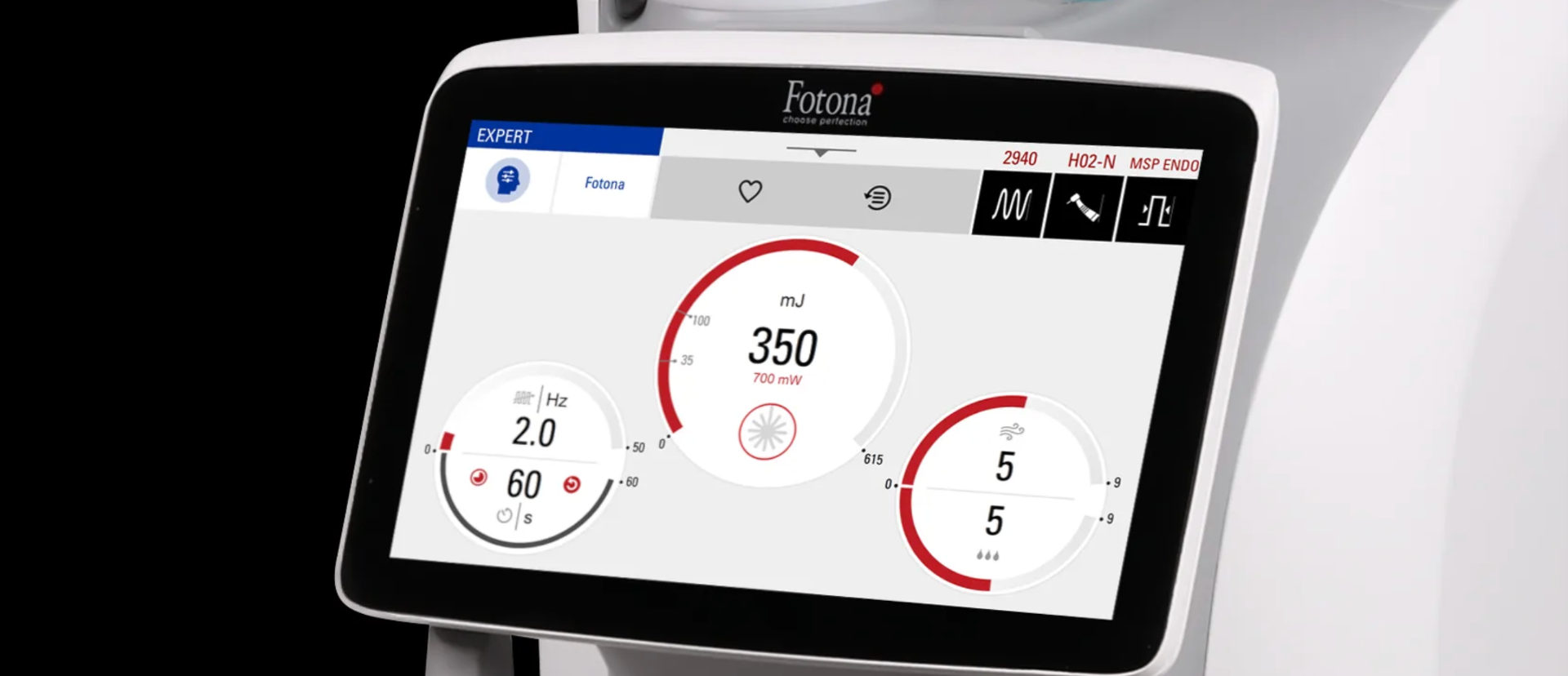
NightLase® is a treatment developed by Fotona that uses an Er:YAG laser in a gentle, non-ablative mode. Controlled laser heat is applied to the soft palate, uvula and surrounding throat tissue. This causes the collagen in the tissue to contract and then remodel, firming it so it is less likely to vibrate or fall back into the airway.
Unlike airway surgery, nothing is cut or removed. It is performed in the dental chair by Dr Ajitha Kanupuru, who has more than ten years of experience with Fotona laser systems.
Snoring, Sleep Apnoea & Sleep-Disordered Breathing
Snoring and obstructive sleep apnoea (OSA, also spelt sleep apnea) sit on the same spectrum, known as sleep-disordered breathing. Simple snoring is noisy but breathing continues. In sleep apnoea, the airway repeatedly narrows or closes, breathing pauses, and oxygen levels can drop.
Common signs of sleep-disordered breathing
- Loud, habitual snoring most nights
- A partner noticing pauses in your breathing
- Waking up gasping, choking or with a dry mouth
- Waking unrefreshed, even after a full night in bed
- Morning headaches
- Daytime sleepiness or dozing off when sitting still
- Poor concentration, irritability or low mood
- Getting up to urinate several times a night
Why it matters for your health
Untreated obstructive sleep apnoea is associated with high blood pressure, heart disease, stroke, type 2 diabetes, reflux, and depression or anxiety. It also increases the risk of drowsy driving and workplace accidents.
Snoring on its own can still disrupt sleep for you and your partner. Because the two can sound alike, it's important to know which one you're dealing with before choosing a treatment.
Sleep apnoea needs a medical diagnosis. If your assessment suggests it, we'll recommend a sleep study through your GP and work alongside your doctor or sleep physician.
Your Snoring & Sleep-Disordered Breathing Assessment
NightLase isn't right for every snorer, so every course starts with a structured assessment and consent process. It helps us work out why you snore, whether sleep apnoea might be involved, and whether NightLase is likely to help.
Medical history
Conditions linked to sleep-disordered breathing, including high blood pressure, heart disease, stroke, diabetes, asthma, COPD, thyroid disease, gastro-oesophageal reflux (GERD), allergies, and depression or anxiety.
Medications & allergies
Your current medications and any allergies, because some medicines relax the airway muscles and some conditions affect whether laser treatment is appropriate.
Smoking & alcohol
Smoking status (never, former or current) and how often you drink. Both can inflame or relax the tissues of the throat and make snoring worse.
Oral & airway examination
A look at your soft palate, uvula, tonsils, tongue and bite, plus your sleep and snoring history, to understand where the airway narrows.
Before any treatment, we explain what NightLase can and can't do, the possible side effects, how many sessions you're likely to need and what it will cost, so you can give informed consent.
Start With a NightLase Assessment
Find out why you snore, whether sleep apnoea might be involved, and whether NightLase is likely to help.
The NightLase Treatment Process
Each visit takes about 30–45 minutes, and most people return to their normal day straight afterwards.
- Step 01
Assessment & consent
We complete your Snoring & Sleep-Disordered Breathing Assessment, explain what NightLase can and can't do, and go through costs and risks before you decide.
- Step 02
First NightLase session
The laser is passed over the soft palate, uvula and back of the throat. Most people feel warmth rather than pain, and anaesthetic is usually not needed.
- Step 03
Follow-up sessions
A standard course is three sessions spread over about six weeks, giving the tissue time to respond between visits.
- Step 04
Review & maintenance
We review how your snoring has changed. Because collagen naturally remodels over time, many people book a top-up session around once a year.
Who Is a Good Candidate for NightLase?
We'll tell you honestly whether NightLase suits your situation, or whether another option is more likely to help.
NightLase may suit
- Adults who snore regularly and want a non-surgical option
- People diagnosed with mild to moderate obstructive sleep apnoea, as part of a plan with their doctor
- People who find a snoring mouthguard or splint uncomfortable to wear
- CPAP users looking for an additional option, with their sleep physician's input
Other options may come first
- Severe obstructive sleep apnoea, where CPAP remains the first-line treatment
- Snoring caused mainly by a blocked nose, very large tonsils or jaw position
- Anyone who hasn't yet been assessed for possible sleep apnoea when symptoms suggest it
NightLase vs Mouthguards, CPAP & Surgery
There's no single best treatment for snoring or sleep apnoea. The right choice depends on your diagnosis, anatomy and preferences, and some people combine more than one.
| Treatment | How it works | Worn every night? | What's involved |
|---|---|---|---|
| NightLase® laser | Gentle laser heat tightens the soft tissue at the back of the mouth | No | Around 3 short in-chair sessions, then occasional top-ups |
| Mandibular advancement splint | A custom mouthguard holds the lower jaw forward during sleep | Yes | Impressions, fitting and adjustment; worn every night |
| CPAP machine | A mask delivers air pressure that keeps the airway open | Yes | Prescribed after a sleep study; worn every night |
| Airway surgery | Tissue in the throat, palate or nose is removed or reshaped | No | Surgical procedure with a recovery period |
CPAP remains the first-line treatment for moderate to severe obstructive sleep apnoea. Don't stop any prescribed treatment without talking to your doctor.
Not Sure Which Option Suits You?
Book an assessment and we'll talk you through NightLase and the alternatives, and refer you on if another treatment is a better fit.
Recovery & Possible Side Effects
There's no wound to heal, so most people eat, drink and go back to work the same day. Side effects are usually mild and settle within a day or two. They can include:
- A warm or tingling sensation during treatment
- A dry or slightly sore throat
- Temporary swelling of the soft palate or uvula
Results vary between people and are not permanent, so maintenance sessions are often needed. We'll go through the risks that apply to you before you consent.
Quick Details
NightLase Frequently Asked Questions
Common questions about laser snoring treatment and sleep apnoea.
NightLase for Perth's Northern Suburbs
Perth Laser Dentistry is at Hocking Dental Care, 92 Greenfields Circle, Hocking, a short drive from Joondalup, Wanneroo and the surrounding northern suburbs. Want more background first? Read our guide to laser treatment for sleep apnoea or learn more about laser dentistry.
Find Out If NightLase Is Right for You
Book a Snoring & Sleep-Disordered Breathing Assessment at our Hocking clinic. No referral needed.
Individual results vary. NightLase® is not a substitute for medical diagnosis or treatment of obstructive sleep apnoea. Any procedure carries risks; before going ahead, you may wish to seek a second opinion from an appropriately qualified health practitioner.