Tongue-tie, medically known as ankyloglossia, is a condition where the thin piece of tissue connecting the tongue to the floor of the mouth (the frenulum) is too short or tight. This restriction can cause significant problems with breastfeeding in infants, speech development in children, and even eating and oral hygiene throughout life.
Traditional treatment for tongue-tie involves surgical scissors or scalpel, which can be traumatic, especially for infants. The procedure often requires general anesthesia for young children, involves bleeding, and requires stitches and a recovery period.
Laser frenectomy has revolutionized tongue-tie treatment. This advanced procedure uses precise laser energy to release the restricted frenulum in seconds, with minimal discomfort, virtually no bleeding, and immediate results. Perth parents are discovering that laser frenectomy is a game-changer for infants and children with tongue-tie.
Understanding Tongue-Tie and Its Impact
Tongue-tie occurs in approximately 4-10% of newborns and can range from mild to severe. The condition is often hereditary and affects boys more frequently than girls. Some cases are immediately obvious, while others may be subtle but still cause significant functional problems.
In infants, tongue-tie commonly causes breastfeeding difficulties. Babies may have trouble latching properly, leading to poor milk transfer, prolonged feeding times, inadequate weight gain, and painful nursing for mothers. Many breastfeeding problems attributed to other causes are actually due to undiagnosed tongue-tie.
As children grow, tongue-tie can affect speech development, particularly sounds that require the tongue to reach the roof of the mouth (like 't', 'd', 'n', 'l'). It can also cause gaps between the lower front teeth, difficulty licking ice cream cones, challenges with oral hygiene, and social self-consciousness about the restricted tongue appearance or function.
How Laser Frenectomy Works
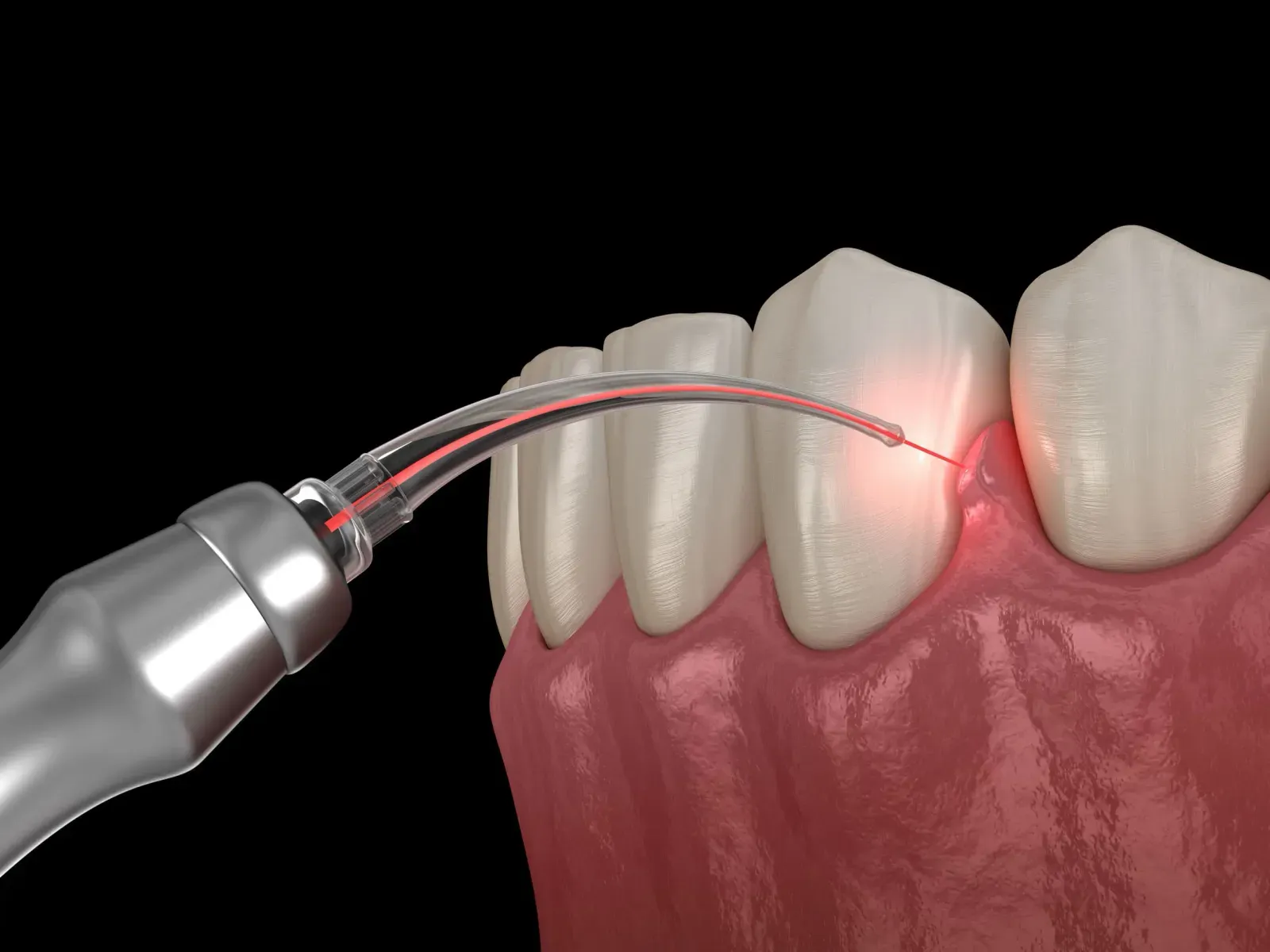
Laser frenectomy uses an advanced dental laser that emits a very specific wavelength of light energy. This energy is absorbed by the tissue of the frenulum but doesn't significantly affect surrounding areas, allowing for extremely precise treatment.
The laser simultaneously cuts and cauterizes tissue, which means there's virtually no bleeding during the procedure. This also significantly reduces the risk of infection and eliminates the need for stitches in most cases. The precision of the laser allows us to release exactly the amount of tissue needed without affecting surrounding structures.
The entire procedure typically takes less than five minutes from start to finish. For infants, we often don't even need local anesthesia – the procedure is so quick that it's completed before they really register what's happening. Older children may receive a small amount of topical anesthetic for comfort.
The Procedure: What Parents Can Expect
For infant tongue-tie release, the procedure is remarkably simple. We position the baby comfortably, gently lift the tongue, and use the laser to release the restricted frenulum in a matter of seconds. There may be a brief cry, but most babies calm immediately and can nurse right away – in fact, we encourage nursing immediately after the procedure.
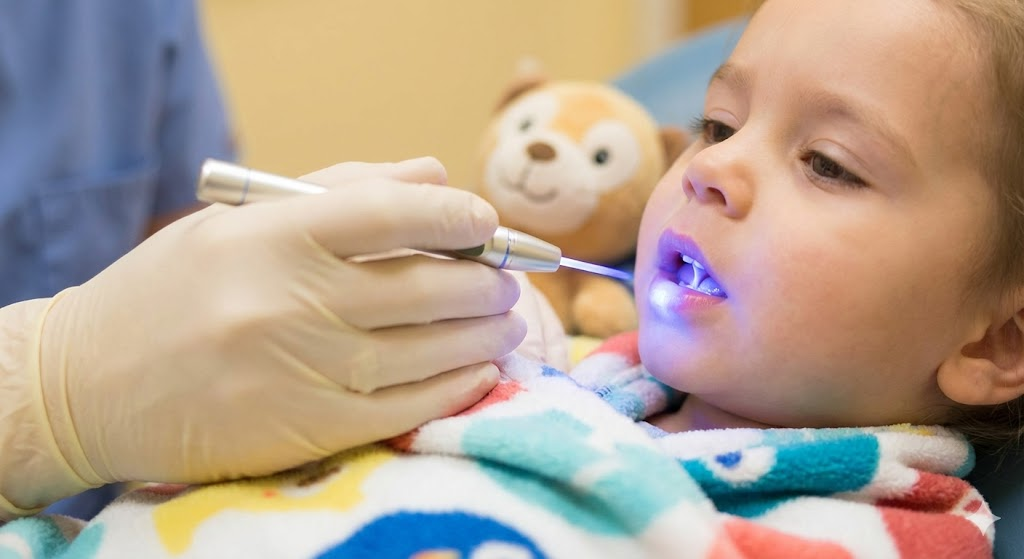
For older children, we take a little more time to ensure they're comfortable and understand what will happen. We may use topical anesthetic and work with the child to keep them calm and cooperative. The actual laser treatment still takes only seconds, though we may spend more time on preparation and post-procedure instructions.
After the procedure, you'll receive specific aftercare instructions including gentle stretching exercises to prevent the tissue from reattaching. These exercises are crucial for optimal results and are easy to perform. Most Perth parents are amazed by how quickly their child recovers and how dramatically feeding or speech issues improve.
Immediate Benefits and Long-Term Outcomes
For breastfeeding babies, improvement is often noticeable immediately or within days. Mothers report better latch, more efficient feeding, reduced feeding time, and significantly less nipple pain. Babies often gain weight more effectively and become more content after feeding.
Children with speech difficulties may notice improvement gradually as they learn to use their newly freed tongue. Some sounds improve immediately, while others may require speech therapy to retrain muscle patterns. The important thing is that the physical restriction preventing proper tongue movement has been removed.
Long-term outcomes are excellent. The laser creates a clean release that heals with minimal scarring. As long as post-procedure exercises are performed correctly, the tongue remains free and functional. Most patients experience lifelong improvement in tongue mobility and related functions.
Laser vs. Traditional Scissors Frenectomy
Traditional scissors or scalpel frenectomy involves cutting the frenulum with surgical instruments. This causes significant bleeding, often requires stitches, and can be quite traumatic for babies and young children. Older children typically need general anesthesia, adding cost and risk to the procedure.
Recovery from traditional frenectomy can take a week or more, with pain and feeding difficulties during that time. There's also a higher risk of the frenulum reattaching because the wound edges are less precise and healing is slower.
Laser frenectomy eliminates virtually all these concerns. The procedure is faster, causes minimal discomfort, produces little to no bleeding, requires no stitches, and allows immediate return to normal feeding. The precision of the laser also reduces the risk of reattachment when proper aftercare is followed.
When to Consider Frenectomy
For infants, signs that frenectomy might be needed include difficulty latching, clicking sounds while feeding, poor weight gain, feeding sessions lasting longer than 45 minutes, frequent feeding, maternal nipple pain or damage, and a tongue that cannot extend past the lower gum line or lift to the roof of the mouth.
In older children, indicators include speech difficulties with certain sounds, inability to lick the upper lip, gaps between lower front teeth, difficulty eating certain foods, or social concerns about tongue appearance or function. Some issues become more apparent as demands on speech and eating increase.
If you suspect tongue-tie in your child, schedule a consultation for evaluation. Not all tongue-ties require treatment – some don't cause functional problems – but when issues are present, early intervention often provides the best outcomes and prevents years of struggle with feeding, speech, or self-esteem.
Key Benefits & Takeaways
- Quick procedure taking less than 5 minutes
- Minimal to no pain during and after treatment
- Virtually no bleeding due to laser cauterization
- No stitches required in most cases
- No general anesthesia needed, even for infants
- Immediate improvement in tongue mobility
- Baby can nurse immediately after procedure
- Minimal recovery time with simple aftercare exercises
- Lower risk of reattachment compared to traditional methods
- Improved breastfeeding, speech, and oral function
Frequently Asked Questions
At what age should tongue-tie be treated?
Tongue-tie can be treated at any age, but earlier is often better. For breastfeeding difficulties, treatment in the first few weeks of life can save months of struggle. For speech issues, treatment before age 4-5 is ideal to prevent ingrained compensatory patterns. However, we successfully treat tongue-tie in older children and even adults when functional problems are present.
Is laser frenectomy painful for babies?
The procedure itself takes only seconds, and most babies cry briefly during the procedure but calm immediately after. The discomfort is minimal – many babies nurse right away and seem to forget about it quickly. Any post-procedure discomfort is typically very mild and manageable with infant pain relief if needed.
Will my baby need speech therapy after frenectomy?
For infants treated primarily for feeding issues, speech therapy usually isn't necessary. For older children with established speech patterns, some may benefit from speech therapy to retrain tongue movement patterns. The frenectomy removes the physical restriction, but the brain needs to learn new movement patterns if old compensatory habits have formed.
What are the aftercare requirements?
Aftercare involves gentle stretching exercises for 2-4 weeks to prevent the tissue from reattaching. We'll demonstrate exactly how to do these exercises before you leave our office. They take only seconds, several times per day. This is the most important part of ensuring optimal results from the procedure.
Could the tongue-tie come back?
If post-procedure exercises are performed correctly, reattachment is very rare with laser frenectomy. The laser creates a clean release with minimal tissue trauma, and proper aftercare ensures the tongue heals in the released position. We'll follow up with you to ensure healing is progressing correctly and the exercises are being done properly.
Tongue-tie doesn't have to compromise your child's feeding, speech development, or quality of life. Laser frenectomy offers a quick, safe, and highly effective solution that provides immediate improvement with minimal discomfort and no significant recovery period.
Perth parents who have struggled with breastfeeding difficulties or watched their children struggle with speech issues often wish they had known about laser frenectomy sooner. The transformation that occurs when a restricted tongue is finally freed can be remarkable and life-changing.
If you suspect your infant or child has tongue-tie, or if you're experiencing breastfeeding difficulties or speech concerns, we invite you to schedule a consultation. A simple evaluation can determine if tongue-tie is present and whether laser frenectomy could help your child thrive.

About Dr. Ajitha Kanupuru
Dr. Ajitha Kanupuru has a special interest in laser dentistry in Perth with over 15 years of experience in providing dental treatments with less pain using advanced laser technology.
Ready to Experience the Benefits?
Schedule your consultation today and discover how laser dentistry can transform your dental experience.